Turning Waste into Value: An Innovative Collaboration Connecting Engineering, Industry, and the Circular Economy
An innovative project developed under the Migros Up Open Innovation Program has successfully transformed food waste into value-added industrial products, demonstrating the potential of advanced material technologies and strategic industry partnerships to support sustainable manufacturing.
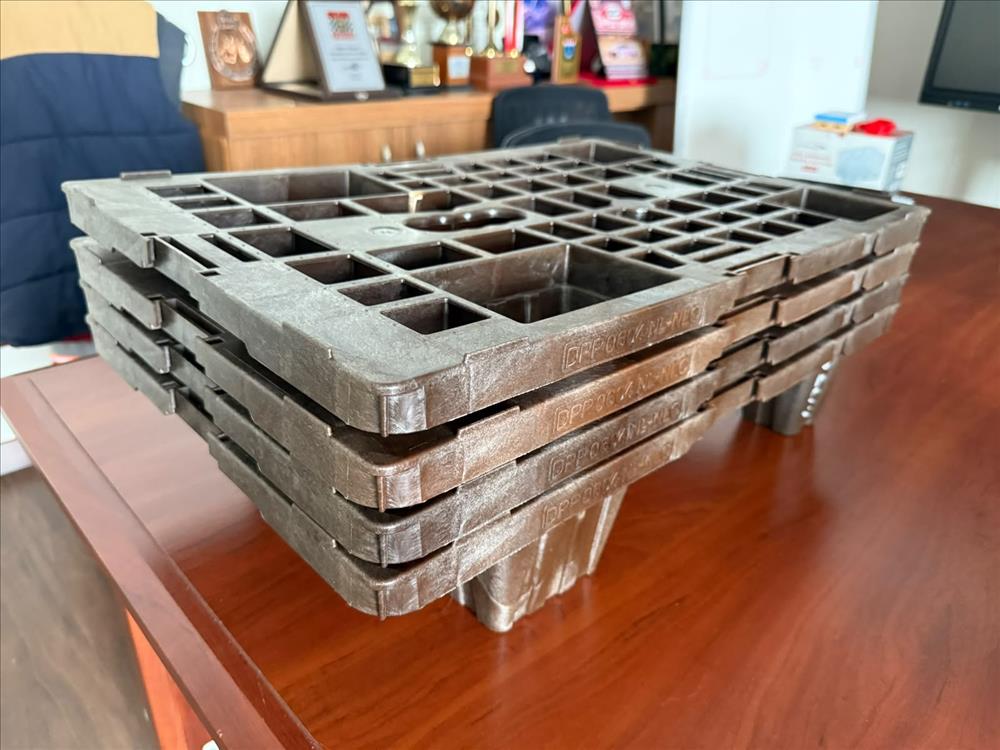
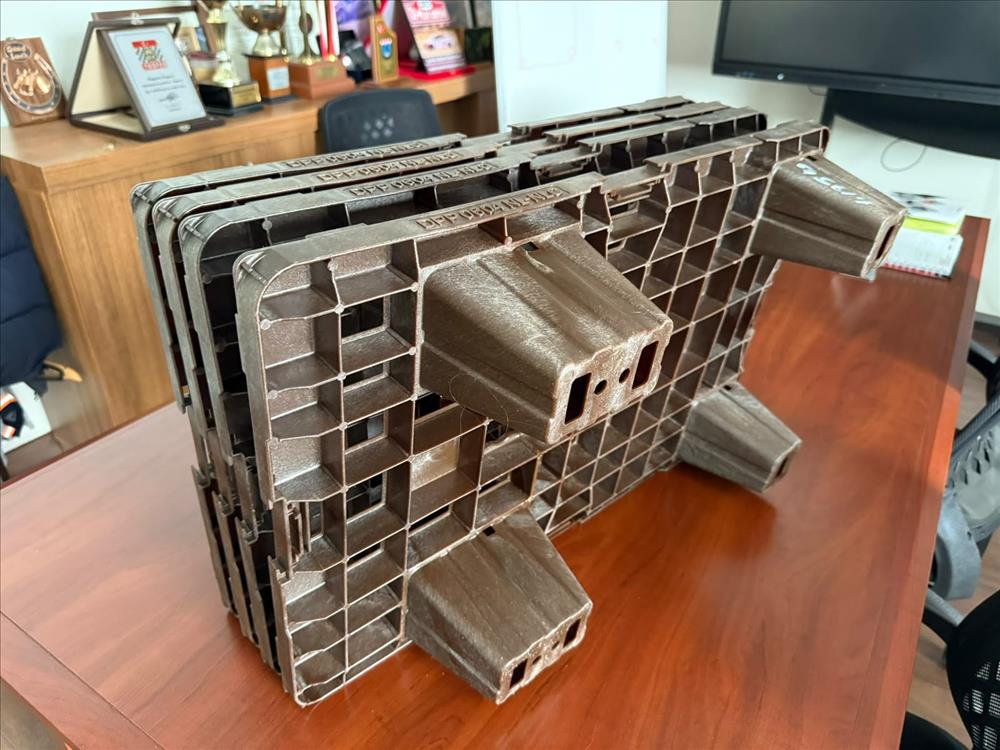
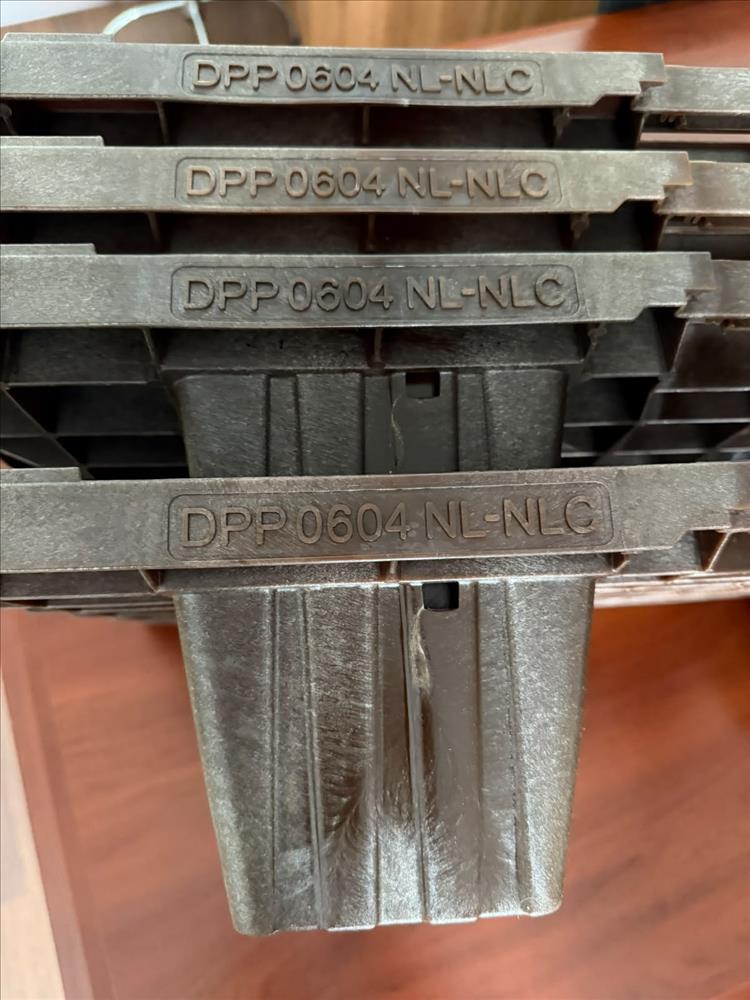
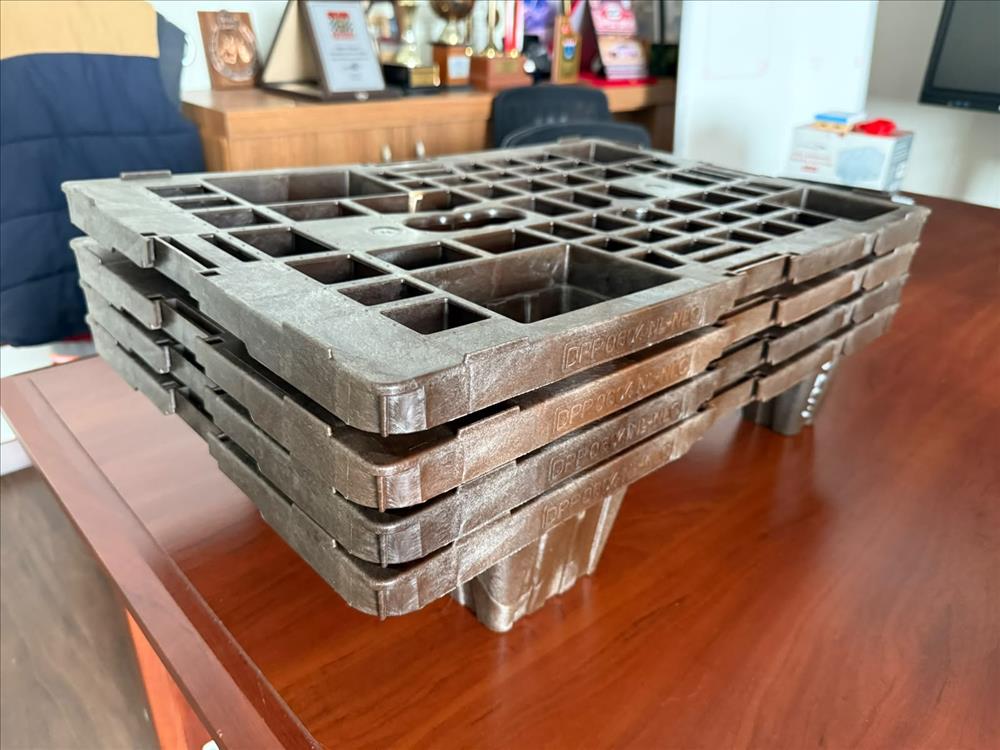
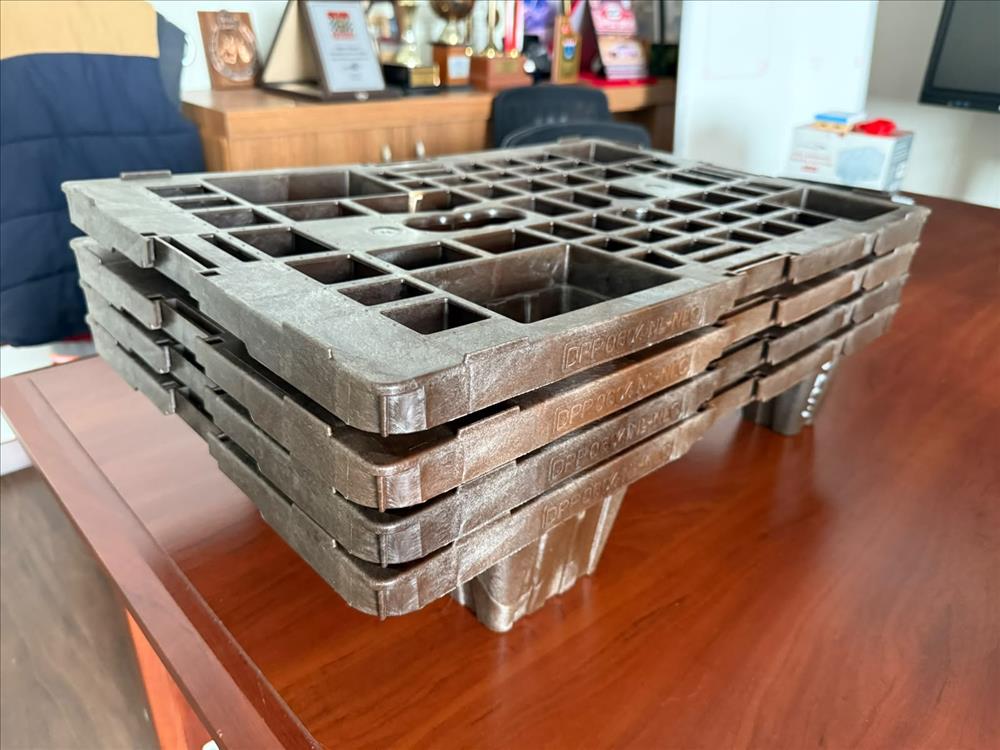
Through this initiative, legume waste collected from Migros stores in Yalova was processed and repurposed into composite materials, which were subsequently used to manufacture industrial pallets.
The project represents a tangible example of how scientific knowledge, engineering innovation, and industrial collaboration can contribute to resource efficiency and circular economy practices.
TRANSFORMING FOOD WASTE INTO VALUABLE INDUSTRIAL MATERIALS
As part of the project, legume waste collected from Migros stores in Yalova was processed and recovered by Zamia Kompozit.
The resulting materials were subsequently transformed into industrial pallets through injection molding technology, in collaboration with Doğan Plastik.
This innovative approach demonstrates that food waste should not merely be regarded as material requiring disposal but can instead serve as an alternative raw material for industrial applications when supported by appropriate processing techniques and manufacturing technologies.
By converting discarded organic materials into functional industrial products, the initiative provides a practical example of circular economy principles and sustainable material development.
BRIDGING ACADEMIC KNOWLEDGE, INDUSTRIAL EXPERTISE, AND INNOVATION
One of the project’s most significant achievements is its successful integration of academic knowledge, engineering expertise, and industrial manufacturing capabilities.
Polymer Materials Engineering graduate students Tuana Orhun, Manar Tawfeeq, and Narmin Alaskarova, together with Natalia Shpengler Sidal from Zamia Kompozit, actively contributed to the development and implementation of the project.
The collaborative innovation environment provided by the Migros Up Program, combined with Zamia Kompozit’s expertise in material development and Doğan Plastik’s manufacturing capabilities, enabled the transformation of an innovative concept into a tangible industrial product.
This collaboration highlights the importance of connecting academic research with real-world industrial needs while providing young researchers with valuable experience in applied engineering and sustainable product development.
CONTRIBUTING TO THE CIRCULAR ECONOMY AND SUSTAINABLE MATERIAL TECHNOLOGIES
The recovery and reuse of food waste, efficient utilization of natural resources, and development of alternative raw materials are essential components of sustainable industrial transformation.
The project contributes to several key objectives:
* Promoting the recovery and industrial reuse of food waste.
* Supporting the development of innovative and sustainable material technologies.
* Strengthening university–industry collaboration and knowledge transfer.
* Translating circular economy principles into practical manufacturing applications.
* Encouraging graduate students to participate in research-driven innovation and product development.
The initiative also aligns with the United Nations Sustainable Development Goals (SDGs), particularly:
SDG 9 – Industry, Innovation and Infrastructure
SDG 12 – Responsible Consumption and Production
By integrating waste recovery with industrial manufacturing, the project offers a promising approach to reducing dependence on conventional raw materials and supporting more resource-efficient production systems.
THE NEXT GOAL: INTEGRATING SUSTAINABLE PALLETS INTO REAL-WORLD LOGISTICS OPERATIONS
The project team’s next ambition is to see the newly developed industrial pallets integrated into Migros’ logistics and operational processes.
Achieving this objective would represent an important step toward translating innovative waste-derived materials into practical applications within industrial supply chains.
The project partners also aim to expand their collaboration by developing additional sustainable materials and value-added products from different waste streams.
Such initiatives have the potential to create new opportunities for sustainable manufacturing, industrial innovation, and resource-efficient logistics.
A SHARED SUCCESS BUILT ON STRONG PARTNERSHIPS
The successful implementation of this initiative reflects the dedication and collaborative efforts of numerous individuals and organizations.
Special appreciation is extended to Polymer Materials Engineering graduate students Tuana Orhun, Manar Tawfeeq, and Narmin Alaskarova, as well as Natalia Shpengler Sidal from Zamia Kompozit, for their dedicated contributions.
Sincere thanks are also extended to the Migros Up team, including Murat Çetindere, Tarık Saydıran, Hazal Işıtman, Taylan Aydın, and Fatih Yiğit, for their valuable support throughout the project.
We also acknowledge Birgül Çam Tuysuz, Migros Environmental Group Manager, for her contributions, and Ethem Kamanlı for his valuable recommendations and guidance.
Special thanks are extended to Doğan Plastik and Dağhan Osman Ünludoğan for their essential contributions to the manufacturing process.
ENGINEERING THE FUTURE: WHERE WASTE BECOMES OPPORTUNITY
This achievement demonstrates the transformative potential of engineering in addressing environmental challenges and developing innovative solutions for sustainable industrial production.
It also illustrates how interdisciplinary collaboration, advanced manufacturing technologies, and effective partnerships between academia and industry can turn environmental challenges into opportunities for innovation.
At Yalova University Faculty of Engineering, we recognize the importance of encouraging our students to participate in scientific research, technological innovation, and sustainable material development. We remain committed to supporting initiatives that strengthen university–industry collaboration and contribute to a more sustainable future.
Because in the future of sustainable engineering, waste is not the end of a product’s life cycle—it is the beginning of a new opportunity.
Yalova University
Faculty of Engineering
Engineering Innovation | Sustainable Materials | Circular Economy | University–Industry Collaboration